

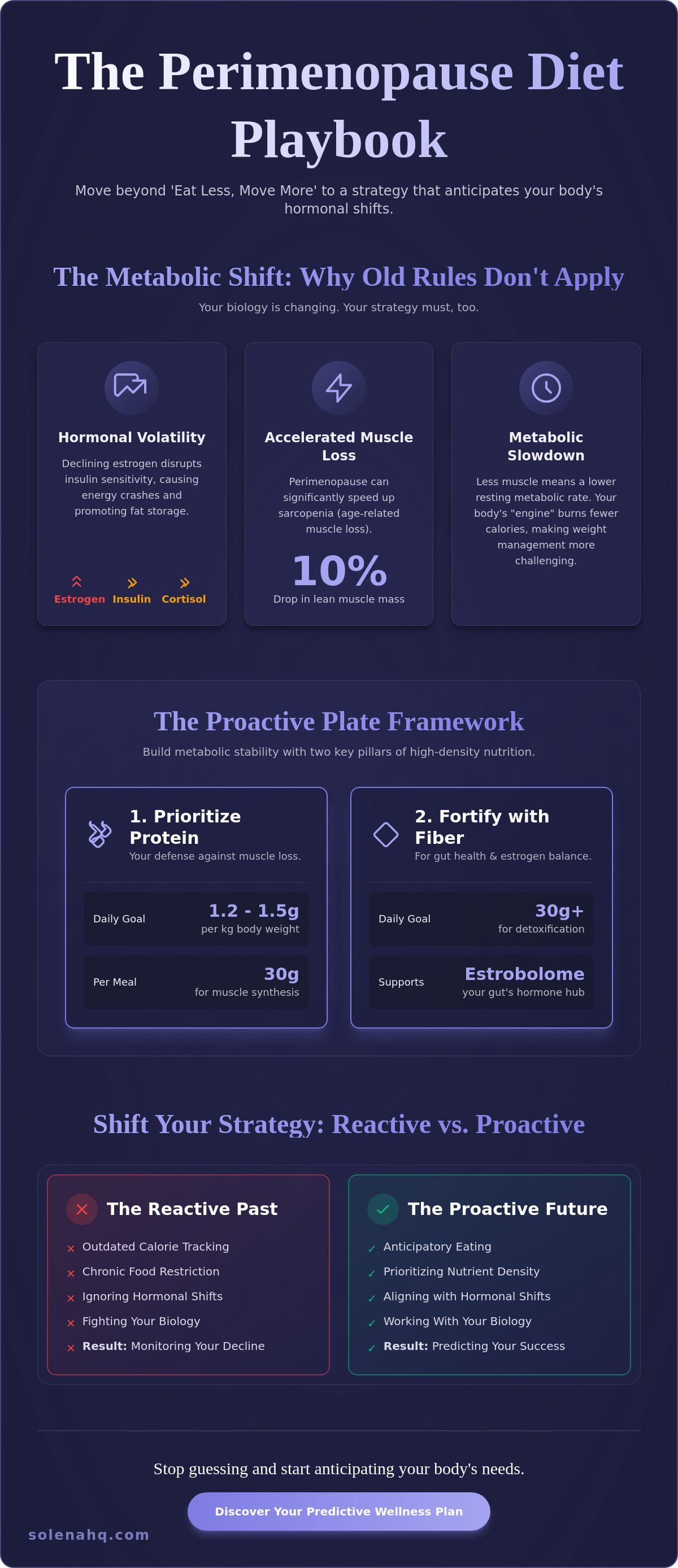
Your bathroom scale isn't lying, but your old fitness app might be. Tracking every calorie you eat is a reactive habit that cannot keep up with the hormonal volatility of 2026. You likely feel that the same habits that worked five years ago are now failing you. Research from January 2026 shows that women in late perimenopause can see a 10% drop in lean muscle mass compared to their younger selves. This biological shift is why the best diet for perimenopause weight gain isn't about restriction. It's about anticipation.
You can stop perimenopausal weight gain before it starts by aligning your nutrition with your fluctuating hormonal shifts. Today, we're moving past the "eat less, move more" myth to explore a framework built on hormonal timing and high protein density, specifically targeting the 1.2g per kg of body weight needed to preserve muscle. We will examine the March 2026 Mayo Clinic study regarding metabolic synergy and provide a clear framework to help you understand the hormonal "why" behind your weight. It's time to stop monitoring your decline and start predicting your success.
Key Takeaways
- Stop fighting your biology with outdated calorie tracking. Understand how declining estrogen shifts your metabolism toward carb intolerance and learn how to pivot your strategy.
- Discover the best diet for perimenopause weight gain by prioritizing protein and 30g of daily fiber. These nutrients are essential for muscle synthesis and estrogen detoxification.
- Clarify the relationship between HRT, new 2026 weight loss medications, and nutrition. Learn how to use these tools synergistically rather than searching for a magic pill.
- Master the art of Anticipatory Eating. Align your meals with predicted hormonal shifts to prevent energy crashes and visceral fat accumulation before they start.
- Use predictive technology to map your unique metabolic signature. Shift your focus from what you did yesterday to what your body needs today.
Why Traditional Weight Loss Fails During Perimenopause
Your body is undergoing a profound hormonal recalibration. It's not just aging. It's the Perimenopause Metabolic Shift. This transition changes how your cells interact with fuel, specifically carbohydrates. Finding the best diet for perimenopause weight gain starts with recognizing that your body is no longer responding to sugar and starch the same way it did in your thirties. As estrogen levels begin their unpredictable fluctuations during the perimenopausal transition, your insulin sensitivity often takes a hit. You aren't just "getting a belly"; your body is actively shifting its fat storage patterns from your hips to your midsection to protect itself from hormonal volatility.
The estrobolome is the specific collection of gut bacteria responsible for metabolizing and recycling estrogen to maintain hormonal balance. When this system is disrupted, weight management becomes an uphill battle. To better understand this concept, watch this helpful video:
The Estrogen-Insulin Connection
Estrogen is a metabolic guardian. It helps your muscles absorb glucose and keeps your energy levels stable. When estrogen levels drop, your body becomes less efficient at clearing sugar from your bloodstream. This leads to higher circulating insulin, which is your primary fat-storage hormone. You might notice energy crashes after meals that never used to bother you. These fluctuations also trigger a rise in cortisol. High cortisol combined with low insulin sensitivity creates a "perfect storm" for visceral fat accumulation. You lose your metabolic flexibility, which is your body's ability to switch between burning carbs and burning fat for fuel.
Muscle Loss and the Metabolic Slowdown
Sarcopenia is the medical term for age-related muscle loss, but perimenopause accelerates it significantly. Data from January 26, 2026, indicates that lean mass can be 9-10% lower in women during late perimenopause compared to their pre-menopausal years. Muscle is your metabolic engine. When you have less of it, your resting metabolic rate drops. Many women respond by eating less, but this is a mistake. Chronic calorie restriction during this phase often forces the body to burn even more muscle for energy, further slowing your metabolism. Identifying the best diet for perimenopause weight gain requires a protein-forward strategy to protect this vital tissue. If you are unsure where you stand in this process, check our Am I in Perimenopause? The Proactive Symptom Checklist to identify your current stage.
The Best Diet Framework for Perimenopause Weight Gain
Traditional dieting asks you to eat less. Solena asks you to eat smarter. The best diet for perimenopause weight gain isn't a list of forbidden foods; it's a strategic framework designed to stabilize your biochemistry. You need a foundation of protein, fiber, and healthy fats to manage the insulin resistance that often emerges during this transition. This trifecta creates metabolic stability. It prevents the glucose spikes that lead to visceral fat storage. By shifting your focus to high-density nutrition, you provide your body with the building blocks it needs to maintain muscle and balance hormones. Anticipate your body's needs. Don't just track its failures.
Prioritizing Protein for Muscle Preservation
Protein is your most powerful tool for metabolic defense. To trigger muscle protein synthesis, you must reach a specific threshold of amino acids, particularly leucine. Aim for 1.2 to 1.5 grams of protein per kilogram of body weight daily. For a 70kg woman, that means roughly 84 to 105 grams of protein. Distribution is key. Consuming at least 30 grams of protein per meal ensures your body stays in an anabolic, muscle-building state. This prevents the "metabolic slowdown" often associated with hormonal aging. High-quality sources like Greek yogurt, lean meats, and eggs should be the centerpiece of every plate.
Fiber and the Estrobolome
Your gut is a hormonal processing plant. The estrobolome refers to the specific gut bacteria that metabolize and eliminate used estrogen. If these bacteria are sluggish, estrogen can be reabsorbed into your system, worsening weight gain and mood swings. Aim for at least 30 grams of fiber daily. Focus on cruciferous vegetables like broccoli, cauliflower, and Brussels sprouts. These contain sulforaphane, which supports healthy estrogen detoxification. This approach is a cornerstone of managing perimenopausal weight gain effectively without resorting to extreme restriction.
Healthy fats from avocados, walnuts, and extra virgin olive oil are essential for hormone production and mood stabilization. They slow digestion and further dampen the insulin response. When you combine these three elements, you move from reactive tracking to proactive fueling. The best diet for perimenopause weight gain is one that works with your biology, not against it. To see how these nutritional pillars fit into your specific cycle, you can explore personalized wellness plans that adapt to your body's daily needs. It is about being one step ahead of your symptoms.
Comparing Solutions: Nutrition, HRT, and Weight Loss Medications
You might be asking if a prescription can replace a plate. It's a common question in 2026. With the FDA approval of oral GLP-1 medications like Foundayo in April 2026, the temptation to bypass nutritional changes is high. However, medical interventions are accelerators; they are not the engine. Whether you choose a medical path or a lifestyle-first approach, your biology requires metabolic preparation. The best diet for perimenopause weight gain is the foundation that makes every other tool more effective. Without it, you are simply masking symptoms rather than managing your transition.
Can Hormone Replacement Therapy (HRT) Stop Weight Gain?
HRT is a powerful tool for symptom management. It can improve insulin sensitivity and help prevent the migration of fat to your midsection. By stabilizing estrogen, HRT allows your body to maintain a more youthful fat distribution pattern. But HRT is not a weight loss cure-all. Many women still experience weight creep if their nutritional timing is off. This is because hormones influence where fat goes, but your diet determines how much fat is stored.
Clinical insights from the British Menopause Society guidance on perimenopause nutrition emphasize that lifestyle remains the cornerstone of health. At Solena, we view HRT as a data point. It works best when synced with your personal wellness plan. When you anticipate how your body responds to a patch or pill, you can adjust your protein and fiber intake to maximize the benefits. Don't just track your dosage. Anticipate your body's metabolic response.
The Role of GLP-1s and Lifestyle Synergy
The rise of high-dose 7.2mg semaglutide injections and oral 25mg Wegovy pills has changed the conversation around weight management. These drugs are effective. A March 2026 Mayo Clinic study found that women using HRT in combination with tirzepatide lost 35% more weight than those using the medication alone. This synergy is remarkable, but it comes with a warning. Rapid weight loss often includes significant muscle loss.
If you use these medications without a protein-first approach, you risk accelerating the sarcopenia discussed earlier. Your resting metabolic rate could plummet. The best diet for perimenopause weight gain provides the metabolic scaffolding these medications require. It ensures that the weight you lose is fat, not the vital muscle mass you need for long-term health.
- Protein: Essential to prevent muscle wasting during rapid weight loss.
- Fiber: Critical for gut motility, which GLP-1 medications can slow down.
- Hydration: Necessary to manage the side effects of new oral medications.
The Proactive Plate: Timing Nutrition with Hormonal Anticipation
Tracking is a rearview mirror. It records what you ate yesterday. The best diet for perimenopause weight gain focuses on what your body needs tomorrow. We call this Anticipatory Eating. It involves adjusting your nutritional intake based on predicted hormonal shifts before they manifest as physical symptoms. When your data suggests a high-likelihood Symptom Window is approaching, your plate must change to meet the challenge. A three-day advance alert allows you to stock your kitchen with specific proteins and fibers before an energy crash dictates your grocery choices. It's about being prepared, not just being informed.
Managing Glucose Spikes Before They Happen
Your sensitivity to insulin is not a fixed metric. It fluctuates alongside your estrogen levels. During specific phases of the perimenopausal transition, your body becomes temporarily less efficient at processing glucose. This is when the fear of metabolic decline feels most real; however, it is actually a predictable pattern. On days when AI models predict high hormonal volatility, shifting to a low-carb, high-fat profile can prevent the insulin spikes that drive visceral fat storage. This proactive adjustment is the core of The Rise of the Predictive Women’s Health Platform, moving you beyond the limitations of basic tracking apps.
Circadian Eating and Sleep Quality
Your metabolism follows the rhythm of your rest. If your biometric sensors show a decline in deep sleep, your body will compensate by spiking ghrelin, the hunger hormone, the following day. You don't have a willpower problem. You have a data-driven biological response. On these days, your focus should be on stabilizing cortisol rather than aggressive fasting. Circadian eating also plays a vital role in symptom management. Consuming your final meal at least three hours before bed reduces the metabolic heat that triggers night sweats.
If your sleep metrics are low, your metabolism is likely not ready for a heavy fast. Heavy fasting on low sleep can further spike cortisol, leading to more fat storage around the midsection. Listen to the data. Anticipate the crash. Prepare the solution. The best diet for perimenopause weight gain is one that respects your circadian rhythm and adjusts in real-time. To start aligning your meals with your unique biological clock, get your personalized wellness plan today.
Navigating Your Transition with Solena’s Predictive Wellness
Tracking is a chore. Anticipation is a strategy. Most wellness tools ask you to record your failures after they happen. They tell you that you ate too much sugar or slept poorly only after the damage is done. Solena shifts that narrative. We use AI to map your unique hormonal-metabolic signature, identifying the subtle patterns that precede weight gain and energy crashes. This isn't just about data; it's about foresight. The best diet for perimenopause weight gain is one that adjusts before your symptoms peak. By moving from reactive tracking to proactive anticipation, you reclaim control over your body composition. As of April 13, 2026, the Solena Predictive Wellness app is available to help you navigate these shifts with data-driven confidence.
From Reactive Tracking to Proactive Nutrition
The Solena Method utilizes likelihood percentages to transform your meal planning into a proactive tool. If our AI predicts an 85% chance of a sugar craving window in the next 48 hours, you don't have to white-knuckle your way through it. You receive an alert. You prepare your meals with the protein-fat-fiber trifecta we discussed earlier. You stabilize your blood sugar before the craving even starts. This predictive approach is why Choosing the Best Perimenopause App is the most critical decision you can make for your health in 2026. Your personalized wellness plan is a living document. It evolves as your hormonal landscape shifts, ensuring your nutrition stays aligned with your reality. It is about understanding the hormonal "why" behind your hunger and having the tools to address it before it becomes a disruption.
Integrating Wearable Data for Real-Time Adjustments
Your transition doesn't happen in a vacuum. It is influenced by your sleep, your stress, and your activity levels. By syncing your smart watch or biometric sensor data into Solena, you gain real-time insights that a standard scale cannot provide. If your wearable data shows a decline in sleep quality, Solena anticipates the next-day spike in ghrelin. It suggests a high-protein breakfast to dampen the hunger response. This is conversational intelligence at work. Our daily health logs and personalized wellness plans act as both a high-tech health solution and a supportive personal companion. It's a partner that understands the 3 am wake-up call isn't a failure of willpower. It's a biological event that requires a specific nutritional response.
Menopause is a transition to be managed, not a crisis to be endured. With advance alerts for everything from salt cravings to night sweats, you can stop being a passenger in your own body. The best diet for perimenopause weight gain is the one that meets you exactly where you are today, while preparing you for tomorrow. Don't just monitor your decline. Anticipate your success. Join the Solena community today and take informed control of your biological transition. You aren't just monitored; you are seen and understood.
Take Informed Control of Your Metabolic Future
Perimenopause isn't a state of passive endurance. It's a biological transition that responds to data-driven precision. You've seen how the 1.2g per kg protein threshold and the "Fiber-Protein-Fat" trifecta stabilize your insulin response. You now understand that even with the latest 2026 medical advancements, your nutritional foundation remains the primary driver of success. The best diet for perimenopause weight gain is the one that adapts to your body's specific rhythm. Stop looking at what you did yesterday. Start preparing for what your body needs tomorrow.
Solena replaces the anxiety of the unknown with the confidence of foresight. Through AI-powered hormonal pattern recognition and advanced symptom alerts, you can anticipate shifts before they disrupt your life. Your personalized wellness plan evolves with your unique data, ensuring you stay one step ahead of metabolic changes. This is conversational intelligence designed for your daily life. It's a sophisticated partner for a complex transition.
Stop tracking and start anticipating your symptoms with the Solena App. You are the visionary guardian of your own health. It's time to lead your transition with data-driven clarity.
Frequently Asked Questions
Is there a specific "menopause diet" that works for everyone?
No universal diet exists because every woman's hormonal-metabolic signature is unique. The best diet for perimenopause weight gain is a personalized framework that adjusts based on your specific data points. Solena uses AI to learn your patterns, moving away from one-size-fits-all plans toward real-time nutritional anticipation. This ensures your plate matches your body's current biological needs rather than a generic template.
Can I lose perimenopause belly fat without hormone therapy?
You can lose visceral fat without hormone therapy by focusing on insulin sensitivity and muscle preservation. While HRT is a helpful tool for many, metabolic recalibration through a protein-first approach is effective on its own. Focusing on the 30g daily fiber goal and high-density protein allows you to manage the midsection weight gain. It is about shifting your biochemistry through strategic timing rather than just medication.
How much protein do I actually need during perimenopause?
You need between 1.2 and 1.5 grams of protein per kilogram of body weight to maintain vital muscle mass. Research from January 26, 2026, highlights that women in late perimenopause often have 10% less muscle mass than pre-menopausal women. Reaching this target helps prevent a metabolic slowdown. Distributing this protein across 30g portions per meal ensures your body stays in a muscle-building state throughout the day.
What happens if I don’t change my diet during perimenopause?
Maintaining your old habits often leads to rapid visceral fat accumulation and a steady decline in lean mass. Without strategic shifts, the 10% muscle loss typically seen in this stage will slow your resting metabolic rate. This creates a cycle where you gain weight despite eating the same amount. Proactive changes are necessary to stop this hormonal recalibration before it results in permanent body composition changes.
Does intermittent fasting work for perimenopause weight gain?
Intermittent fasting can be effective, but it must be timed with your hormonal alerts to avoid spiking cortisol. Fasting during high-stress symptom windows may actually encourage fat storage in the midsection. Solena helps you determine if your metabolism is ready for a fast based on your sleep and stress data. It is about choosing the right window rather than following a rigid schedule every day.
Can a perimenopause app really help me lose weight?
A predictive app helps by alerting you to metabolic shifts before they result in weight gain. Unlike traditional trackers that record past calories, Solena uses AI to identify hormonal patterns that trigger cravings or energy crashes. By receiving advance alerts, you can adjust your grocery list and meal timing. This foresight makes the best diet for perimenopause weight gain sustainable and effective for the long term.
Why am I suddenly craving sugar more than ever in my 40s?
Sugar cravings are often a direct result of declining estrogen levels reducing your insulin sensitivity. As your body struggles to clear glucose from your blood, you experience energy crashes that your brain interprets as a need for quick fuel. This is a biological response, not a lack of willpower. Anticipating these glucose windows with high-fiber snacks can stop the craving cycle before it starts.
How does sleep quality affect my weight during the transition?
Poor sleep quality directly spikes your ghrelin levels, making you feel significantly hungrier the following day. When your wearable data shows a lack of deep sleep, your body will naturally crave high-calorie foods to compensate for the fatigue. Solena syncs with your sleep metrics to provide personalized wellness plans that account for these disruptions. This prevents a bad night's sleep from turning into a week of weight gain.
Disclaimer
Solena is designed to support awareness, not replace care. It does not provide medical advice, diagnosis, or treatment. Always consult a qualified healthcare professional for medical guidance.