Cooling a hot body is a failed strategy. It's too late. The heat has already won. If you're struggling with managing hot flashes at night without HRT, you know the cycle well. You wake up drenched. You're anxious about the next spike. You feel out of control. It's exhausting.
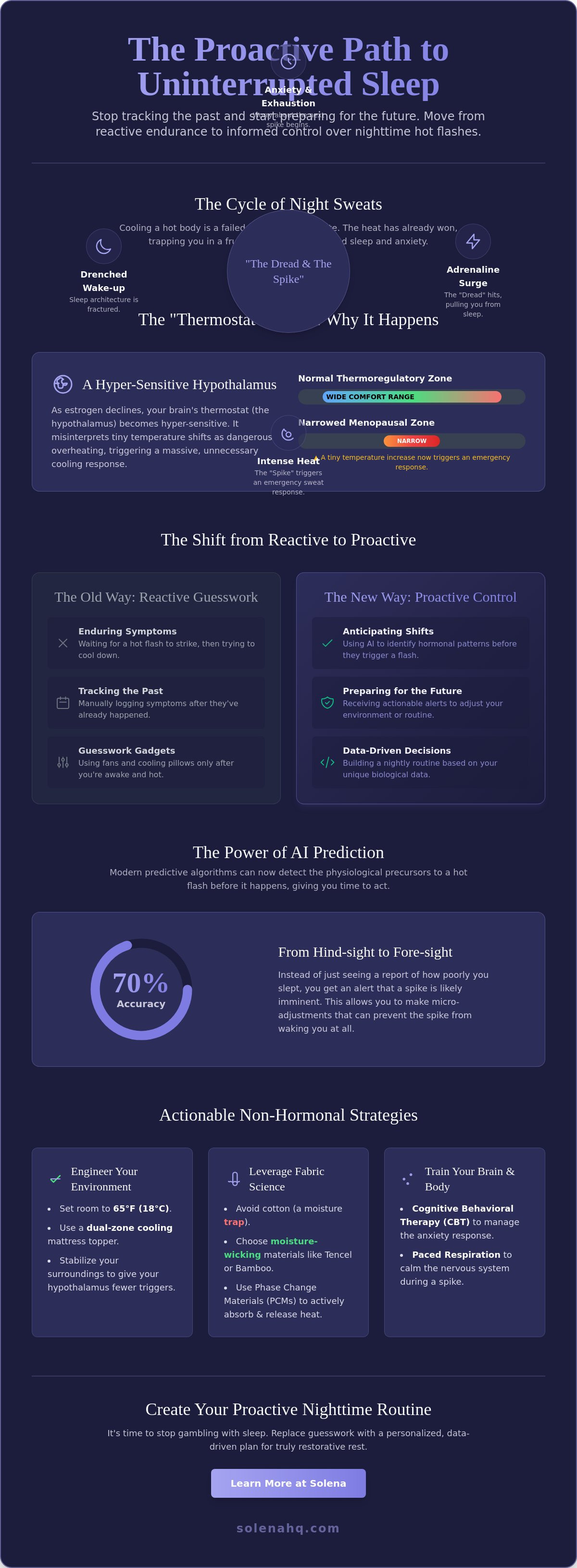
We agree that sleep shouldn't be a gamble. You deserve more than reactive gadgets and guesswork. This guide promises to move you from passive endurance to informed control. You'll learn how to anticipate hormonal shifts before the sweat starts using the latest evidence-based strategies and AI insights. We'll explore the 2026 landscape of relief. This includes how predictive algorithms now achieve 70% accuracy in detecting flashes before they happen. We also look at new non-hormonal options like Lynkuet, which the FDA approved on October 24, 2025. It's time to stop tracking the past and start preparing for the future.
Key Takeaways
- Understand the biological "Thermostat Theory" explaining why your body triggers intense heat spikes during the night.
- Discover evidence-based strategies for managing hot flashes at night without HRT, including Cognitive Behavioral Therapy and paced respiration.
- Learn the critical science behind moisture-wicking fabrics and how they outperform traditional materials for temperature control.
- Shift from reactive tracking to proactive anticipation by using AI to identify your unique hormonal patterns.
- Build a data-driven nightly routine that replaces guesswork with actionable alerts for uninterrupted sleep.
Understanding the 3 AM Wake-Up Call: Why Night Sweats Happen
Night sweats are more than just a nuisance. They are a specific nocturnal manifestation of vasomotor symptoms (VMS). For many women, they represent a total loss of sleep quality and a growing sense of frustration. When you look into managing hot flashes at night without HRT, you aren't just looking for a cooler pillow. You're looking for a way to stop the neurological glitch that wakes you up in a panic.
The "Thermostat Theory" explains this perfectly. As estrogen levels decline, your thermoregulatory zone narrows. Your body's internal comfort range becomes incredibly small. A tiny increase in core temperature that used to go unnoticed now triggers a full emergency cooling response. You aren't just "warm." Your brain thinks you're overheating. It reacts with a massive surge of sweat and heat to bring you back to baseline.
There is a distinct difference between the "Spike" and the "Dread." The Spike is the physical heat. The Dread is the adrenaline surge that hits your system right before the sweat breaks. This adrenaline is what actually pulls you out of sleep. Night sweats are uniquely disruptive because they fracture your sleep architecture, preventing you from reaching the deep, restorative stages required for cognitive health and emotional balance.
To better understand the physical sensations of these spikes, watch this helpful video:
The Hypothalamus and the Internal Thermostat
Your hypothalamus acts as your internal thermostat. In menopause, it becomes hyper-sensitive. It misinterprets normal fluctuations as life-threatening overheating. This triggers chemical messengers like norepinephrine and serotonin. These chemicals force your blood vessels to dilate and your sweat glands to open. This isn't normal sweating from a hot room; it's a neurological response. To understand the full scope of these symptoms, it helps to review what hot flashes are from a biological perspective. Understanding the "why" is the first step toward anticipation rather than just reaction.
Why HRT Isn't the Only Path to Relief
Hormone Replacement Therapy isn't a universal solution. Medical contraindications are common. A history of blood clots or breast cancer makes HRT a high-risk option. For many, a "lifestyle-first" management plan is a sophisticated choice. It's about using data to reclaim control. You can find more context on your specific stage of life in our Am I in Perimenopause? checklist. Choosing to manage symptoms without hormones is a valid, empowering path. It requires precision. It requires foresight. It requires moving from passive endurance to active anticipation.
Optimizing Your Sleep Environment for Hormone-Driven Heat
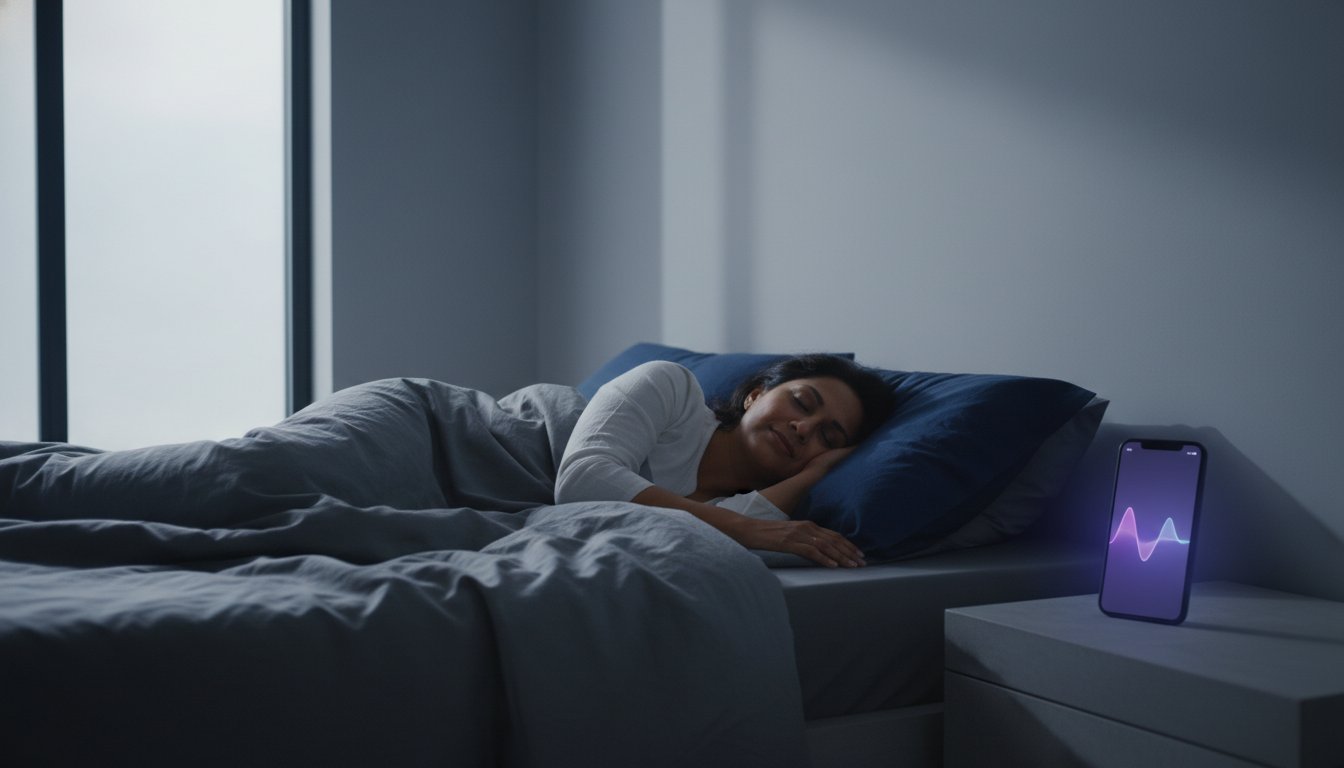
Forget the standard desk fan. It's a reactive tool for a proactive problem. Effectively managing hot flashes at night without HRT requires an environment engineered for hormonal precision. You need a sanctuary that anticipates heat spikes rather than just cooling you down after you've already woken up. It's about shifting from passive endurance to total ambient control.
Start with the thermostat. Set your room to 65°F (18°C). This temperature supports your body's natural drop in core heat during sleep. If you share a bed, don't compromise. Use a dual-zone cooling mattress topper. These systems allow you to maintain a crisp environment on your side while your partner stays warm. It's a high-tech solution for a biological reality. By stabilizing your surroundings, you give your hypothalamus fewer reasons to trigger an emergency cooling response.
Advanced Bedding and Sleepwear Strategies
Cotton is a trap. It's moisture-absorbing. It pulls sweat into the fibers and keeps it there; this leads to a damp, shivering chill once the flash passes. When managing hot flashes at night without HRT, fabric choice is everything. Switch to moisture-wicking materials like Tencel, bamboo, or specialized Phase Change Materials (PCMs). PCMs are sophisticated. They actively absorb excess heat when you're hot and release it when you cool down. This keeps you within your narrowed thermoregulatory zone. Researching lifestyle changes and non-hormone options shows that these small shifts in fabric science significantly reduce sleep fragmentation.
Managing External Triggers in Your Evening Routine
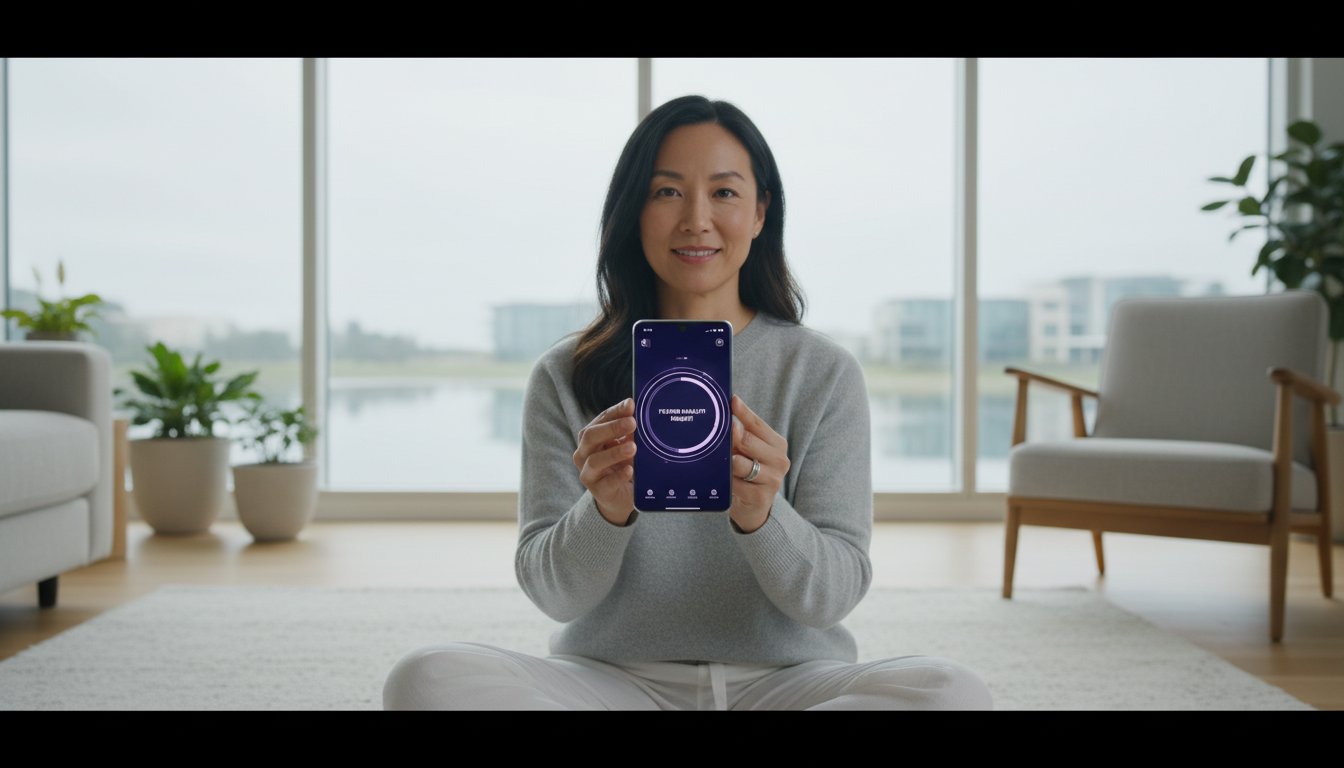
Your environment starts at the dinner table. Follow the 3-hour rule. Avoid alcohol and spicy foods at least three hours before sleep. These substances are direct triggers for the hypothalamus, making your internal thermostat even more erratic. Be strategic with hydration. Sip water throughout the day, but limit intake sixty minutes before bed to prevent unnecessary wake-ups. Finally, cut the blue light. Screens spike cortisol. High cortisol levels are closely linked to increased night sweat intensity. By refining these external factors, you create a baseline for stability. You can further enhance this by using the Solena App to identify which specific environmental changes have the biggest impact on your unique sleep metrics.
Non-Hormonal Interventions: Evidence-Based Alternatives
Cooling your bedroom is a physical fix. Retraining your brain is a biological one. When you focus on managing hot flashes at night without HRT, you must address the nervous system's overreaction to heat. It isn't just about the sweat. It's about the adrenaline surge that follows. You can break this cycle by utilizing behavioral tools that recalibrate your internal alarm system.
Paced respiration is your first line of defense. Five minutes of slow, diaphragmatic breathing can significantly dampen a flash. By taking six to eight breaths per minute, you signal the parasympathetic nervous system to take over. This reduces the "fight or flight" response that often accompanies nocturnal heat spikes. It's one of the most effective non-hormonal management techniques for immediate, real-time relief. It moves you from a state of panic to a state of calm observation.
The Power of Cognitive Behavioral Therapy (CBT-M)
CBT-M is the gold standard for non-drug management. It doesn't stop the heat signal, but it changes how your brain interprets it. It targets the "dread" of the 3 AM wake-up call. By reducing catastrophizing thoughts-like the fear that one bad night will ruin your entire week-you lower the cortisol spikes that fuel insomnia. Clinical data from 2025 shows that women using digital CBT-M protocols reported a 50% reduction in how much their flashes bothered them. You aren't just tracking a symptom. You're anticipating the reaction and diffusing it before it wakes you up.
Supplements and Botanicals: What the Data Says
The supplement landscape has evolved. In 2026, the focus has shifted toward precision. Phytoestrogens like Soy Isoflavones show a 20% reduction in flash frequency for some, but they aren't for everyone. Non-estrogenic herbs like Black Cohosh remain popular, though their efficacy varies by individual. Magnesium Glycinate is the standout choice for 2026. It supports sleep stability and helps regulate the nervous system's baseline. Safety is paramount. Before starting any new regimen, you must consult a provider in cities like Miami or Foster City to ensure these botanicals don't interfere with your health history. Perception matters. The placebo effect accounts for nearly 30% of symptom improvement in clinical trials; this proves that a sense of control is a powerful biological tool.
Stop Tracking, Start Anticipating: Using AI to Predict Hot Flashes
Manual journals are a post-mortem. They tell you why you were awake at 3 AM. They don't help you stay asleep tonight. This is the "Solena Shift." We move from reactive logs to proactive anticipation. Successfully managing hot flashes at night without HRT requires more than a memory of yesterday's heat. It requires a map of tomorrow's hormonal landscape. AI removes the mental load of journaling. It replaces it with automated, actionable foresight.
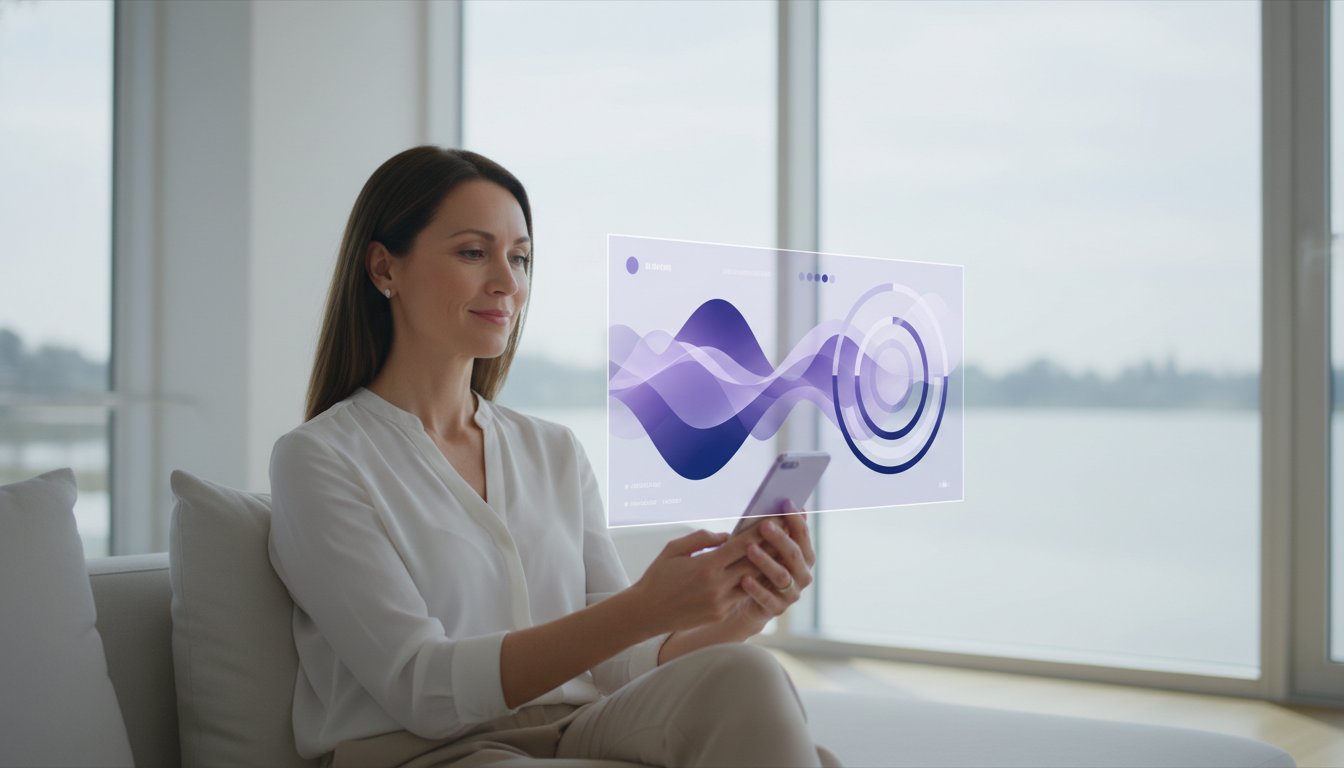
AI doesn't care about "average" menopause. It cares about your specific baseline. By analyzing sleep patterns and physiological data, the Solena engine learns your unique rhythm. It identifies the subtle shifts that precede a flash. You stop wondering when the next wave will hit. You start preparing for it. This transition from tracking the past to predicting the future gives you back your sense of control. You aren't just a data point; you're the architect of your own relief.
The Synergy of Wearables and Predictive AI
Solena thrives on precision. It integrates with your existing high-tech biosensors. For example, the data from wearable health sensors and cycle tracking data feeds directly into our predictive engine. We look closely at Heart Rate Variability (HRV). In 2026, clinical research confirms that a significant drop in HRV is a leading indicator of a coming heat spike. Your baseline is the only metric that matters. Generic data is noise. Your data is the signal that allows for true anticipation.
Advance Alerts: Your Early Warning System
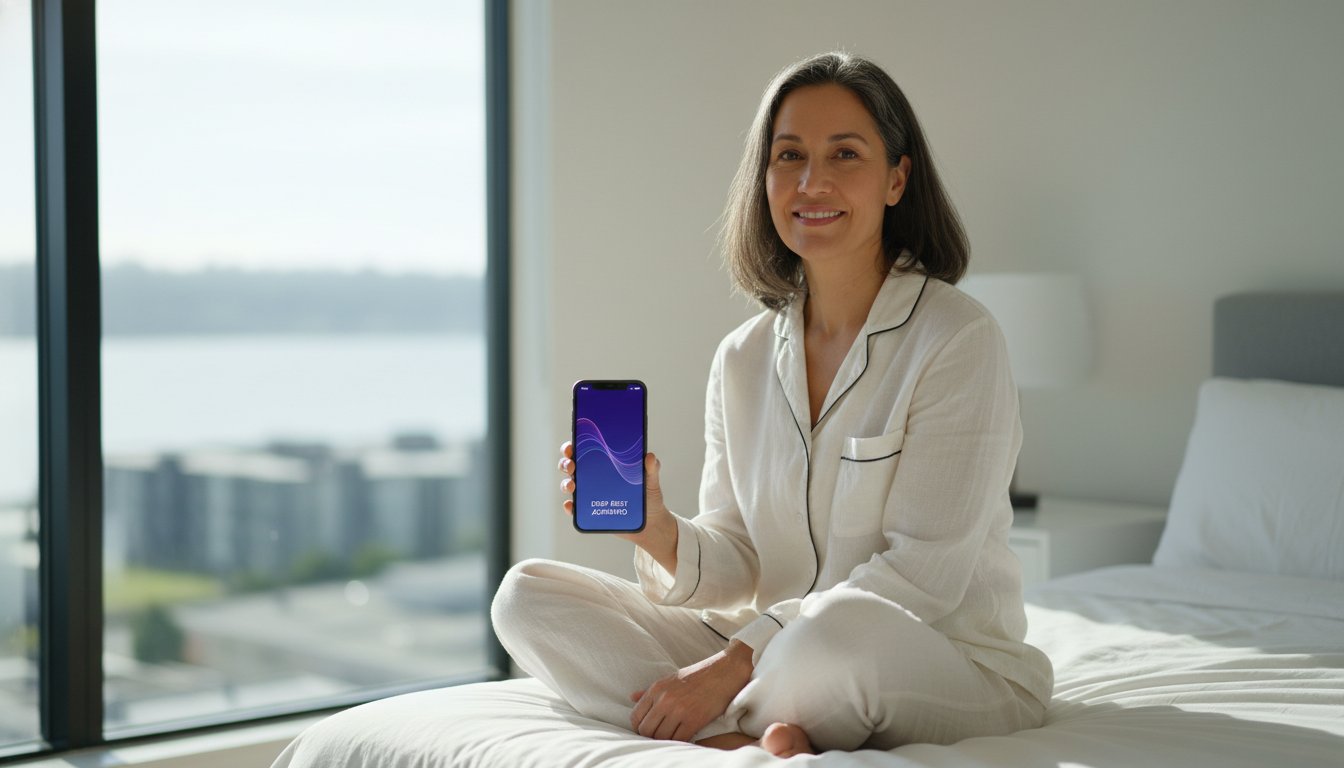
Imagine receiving an alert for a "65% likelihood of night sweats." This isn't just a cold report. It's an early warning system. Within a 3-day window, these probabilities allow you to adjust your routine before the sweat hits. You might choose to skip that evening glass of wine. You might pre-cool your room to a crisp 64°F. These small shifts make managing hot flashes at night without HRT a predictable science rather than a desperate gamble. The psychological benefit is massive. Knowing "why" you wake up removes the anxiety that fuels insomnia. You aren't a victim of your body. You're an informed manager of your well-being. Ready to stop the guesswork? Get started with the Solena App today and reclaim your night.
Creating Your Proactive Nighttime Routine with Solena
Hormonal health is a marathon. It isn't a sprint. Successful managing hot flashes at night without HRT requires a shift in mindset. You've learned about the narrow thermoregulatory zone. You've seen the power of moisture-wicking fabrics. You understand how AI predicts the future. Now, you must synthesize these insights into a cohesive nightly plan. Solena acts as your Visionary Guardian in this process. It turns raw data into a steady pulse of actionable advice.
Consistency is your greatest ally. By following a structured protocol, you reduce the mental load on your nervous system. You move from a state of high-alert anxiety to one of data-driven confidence. When you know what's coming, the "dread" loses its power. You aren't just surviving the night. You're mastering it.
The 90-Minute Wind-Down Protocol
Your preparation begins well before your head hits the pillow. Follow these three steps to prime your body for rest:
- Step 1: Check your Solena alert. Open the app to view your probability score for the night. A high likelihood of a spike means you need to be more aggressive with your environmental controls.
- Step 2: Calibrate your sanctuary. Adjust your thermostat to the recommended 65°F. If your Solena alert indicates a 70% chance of a major flash, opt for your lightest PCM bedding and keep a cooling mist nearby.
- Step 3: Prime your nervous system. Dedicate five minutes to paced respiration. Use the slow, rhythmic breathing techniques discussed earlier to lower your heart rate and signal safety to your hypothalamus.
Navigating the Wake-Up: What to do When a Flash Hits
Even with the best anticipation, a flash may still occur. When it does, your response determines how quickly you return to sleep. Adopt the "Don't Fight the Heat" mantra. Resistance spikes adrenaline. Acceptance keeps you calm. Use quick-cooling techniques that don't fully wake the brain. Apply a cold compress to your wrists or the back of your neck. These are high-blood-flow areas that help lower core temperature rapidly without requiring you to get out of bed.
Once the heat subsides, log the event in Solena with a single tap. This isn't just a record of a bad night. It's vital data that refines your future predictions. Each log makes the AI smarter. Each entry brings you closer to perfect anticipation. As you look for the right tools for your journey, make sure to choose the best perimenopause app that prioritizes foresight over simple history. Your sleep is too valuable for guesswork.
Reclaim Your Night with Data-Driven Confidence
You've moved beyond the 3 AM wake-up call. You're now in a state of informed control. Effectively managing hot flashes at night without HRT is no longer a matter of passive endurance. It is about precision. You understand the thermostat theory. You've optimized your sleep environment with advanced fabric science. You've embraced the power of paced respiration. Most importantly, you've shifted the narrative from tracking the past to anticipating the future.
The guesswork is over. Solena provides an AI-powered 3-day symptom window that identifies spikes before they happen. Our personalized wellness plans are built entirely on your unique baseline data, not generic averages. This sophisticated approach is already trusted by women in 20+ countries. You don't have to wait for the heat to hit. You can prepare for it. You can diffuse it. You can sleep through it. Your foundation for health starts with a restful night. Reclaim yours today.
Start anticipating your symptoms today; download the Solena App
Frequently Asked Questions
Can I manage severe night sweats without any medication or HRT?
Yes. You can effectively focus on managing hot flashes at night without HRT by using a combination of environmental engineering and cognitive behavioral protocols. Clinical studies show that behavioral interventions can reduce the perceived burden of symptoms by nearly 50%. It's about precision. You replace hormonal pills with data-driven lifestyle adjustments and proactive habits.
How long do hot flashes at night usually last if I don’t treat them?
A single night sweat event typically lasts between 1 and 5 minutes. However, the period during which you experience these symptoms can persist for an average of 7.4 years. Without management, these frequent disruptions lead to chronic sleep fragmentation. This makes anticipation even more critical for your long-term cognitive health and daily energy levels.
Are there specific foods that act as triggers for night sweats?
Yes. Alcohol, caffeine, and spicy foods are primary triggers. These substances cause vasodilation or spike your core temperature. This pushes you out of your narrow thermoregulatory zone. Eliminating these triggers at least 3 hours before bed can stabilize your internal thermostat and reduce the intensity of nocturnal spikes.
Is it possible to predict when a hot flash is going to happen?
Yes. Advanced algorithms can now predict nearly 70% of hot flashes before you feel them. This is the core of the Solena philosophy. We move from reactive tracking to proactive anticipation. By identifying the physiological markers that precede a spike, you can prepare your environment in advance and prevent the wake-up call entirely.
Does losing weight help reduce the frequency of hot flashes at night?
Yes. Research indicates that a 10% reduction in body weight can lead to a significant decrease in the frequency of managing hot flashes at night without HRT. Adipose tissue stores heat and alters hormonal signaling. Lowering your body fat percentage helps widen your thermoregulatory zone. This makes your body less sensitive to minor temperature shifts.
Can stress management really stop a physical symptom like a hot flash?
Yes. Stress management techniques like paced respiration lower your baseline cortisol. High cortisol levels make your hypothalamus hyper-sensitive to heat. By calming the nervous system, you reduce the likelihood of an emergency cooling response. It's a biological shift that replaces the "fight or flight" surge with a state of physical calm.
What is the best fabric for pajamas if I have heavy night sweats?
Tencel and bamboo are the gold standards. These fabrics wick moisture away from the skin and dry quickly. Avoid cotton at all costs. It absorbs sweat and stays damp; this leads to a post-flash chill that wakes you up. High-tech fabrics work with your body to keep you within a stable temperature range all night.
How does an AI app like Solena actually "predict" my hormones?
Solena analyzes your unique physiological baseline. It looks at Heart Rate Variability (HRV) and sleep architecture data from your connected wearables. The AI identifies the subtle patterns that signal a coming hormonal shift. It provides a 3-day symptom window. You get an alert before the heat arrives, allowing you to adjust your routine with confidence.
Disclaimer
Solena is designed to support awareness, not replace care. It does not provide medical advice, diagnosis, or treatment. Always consult a qualified healthcare professional for medical guidance.